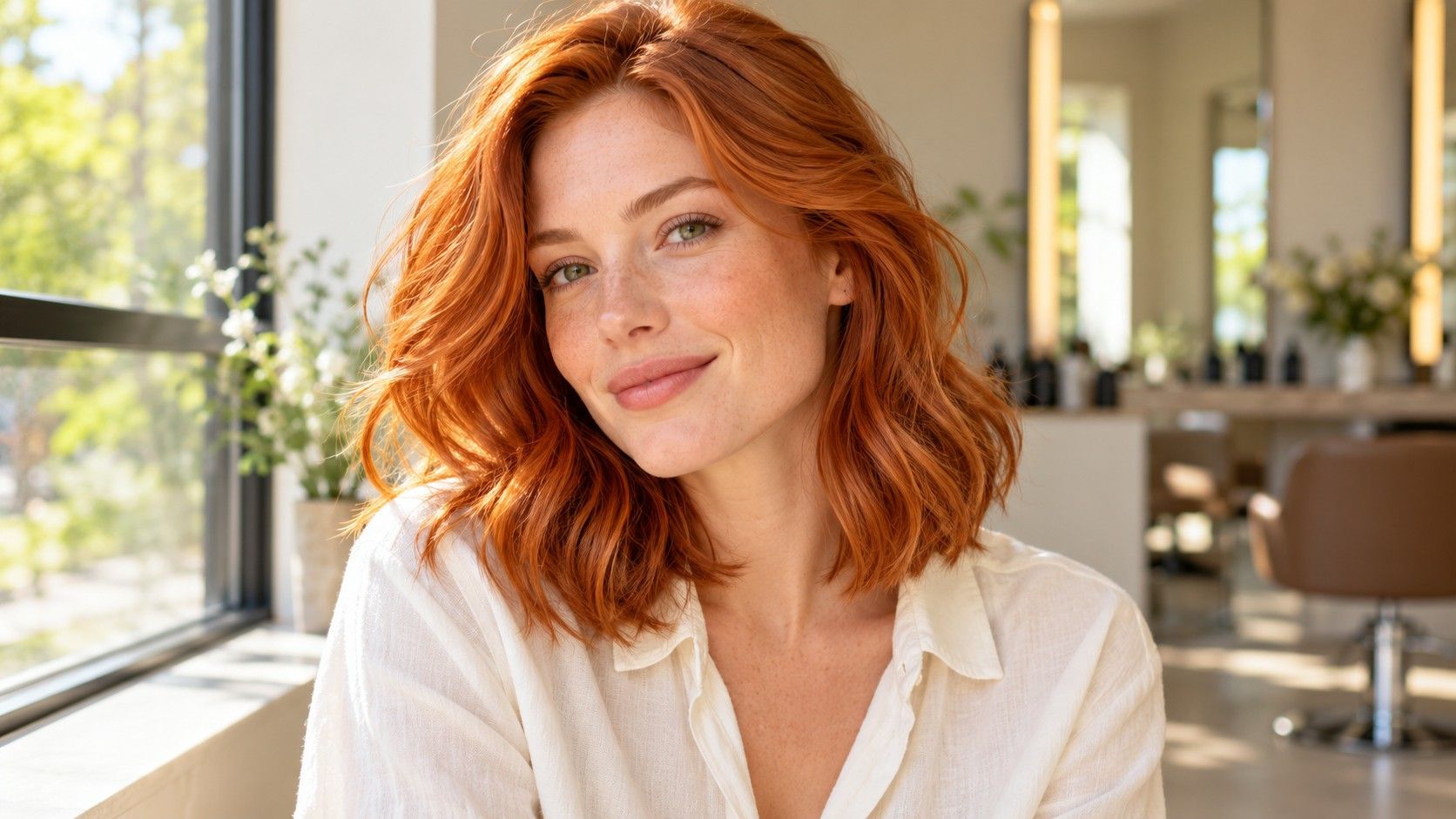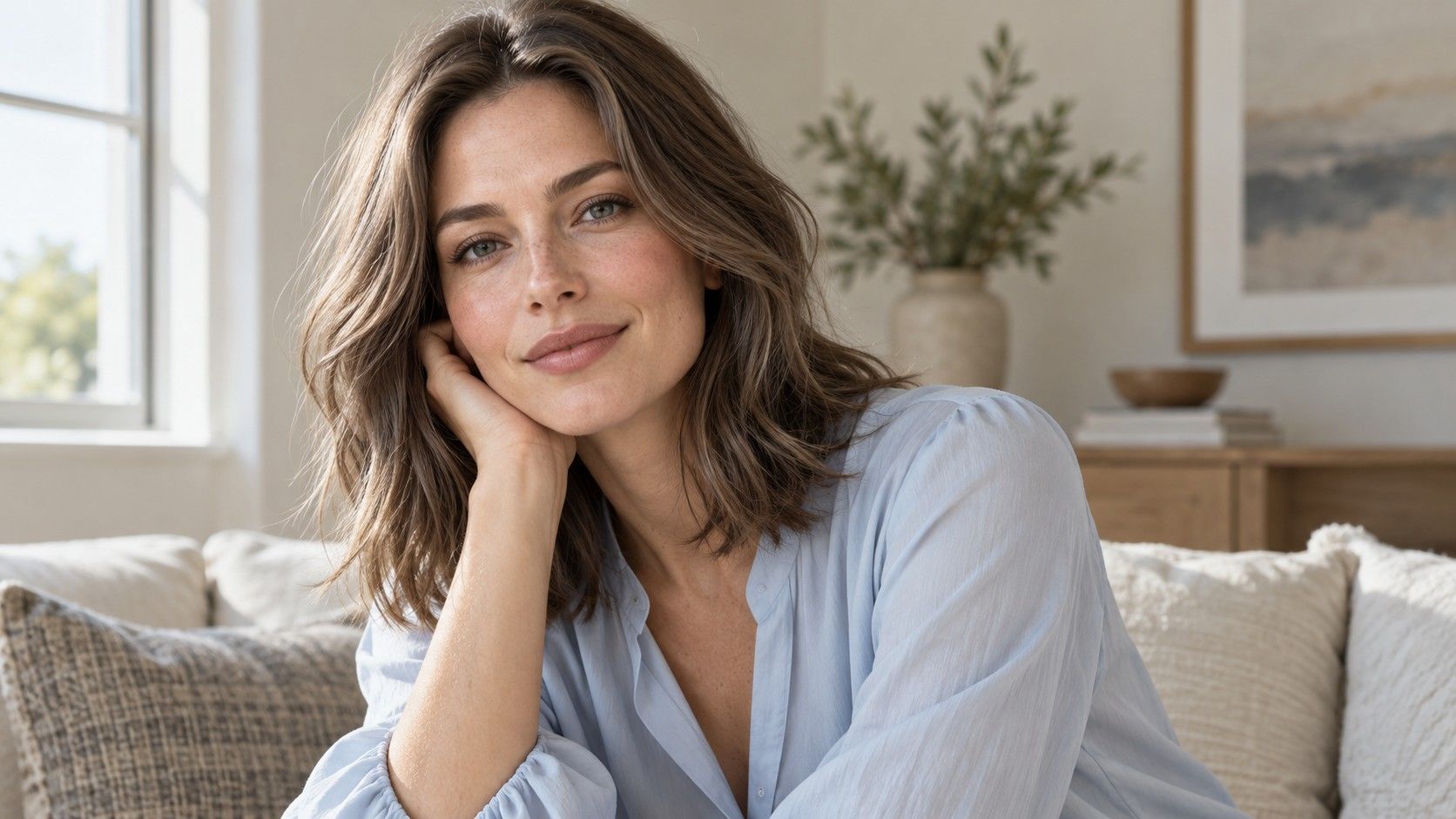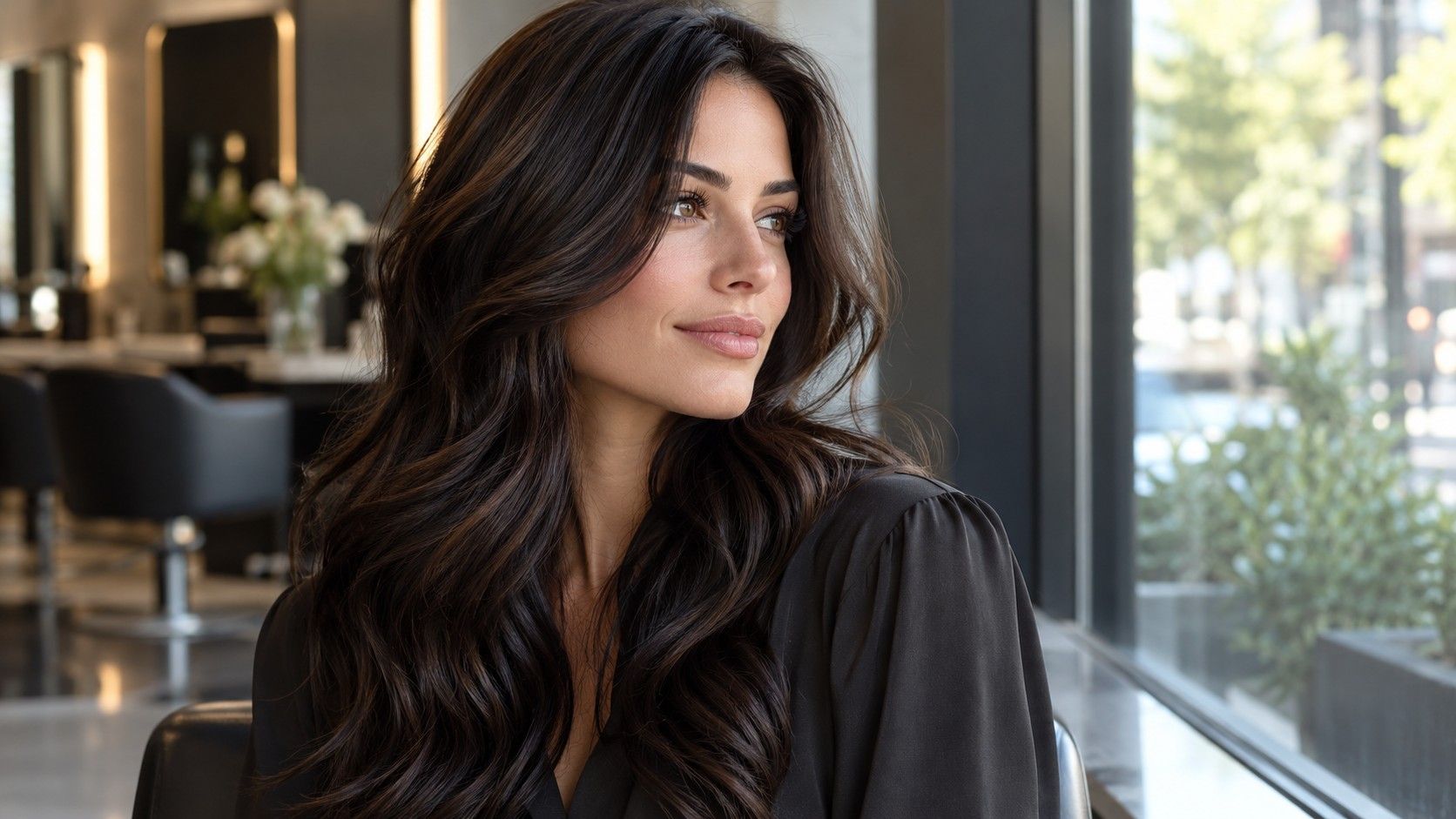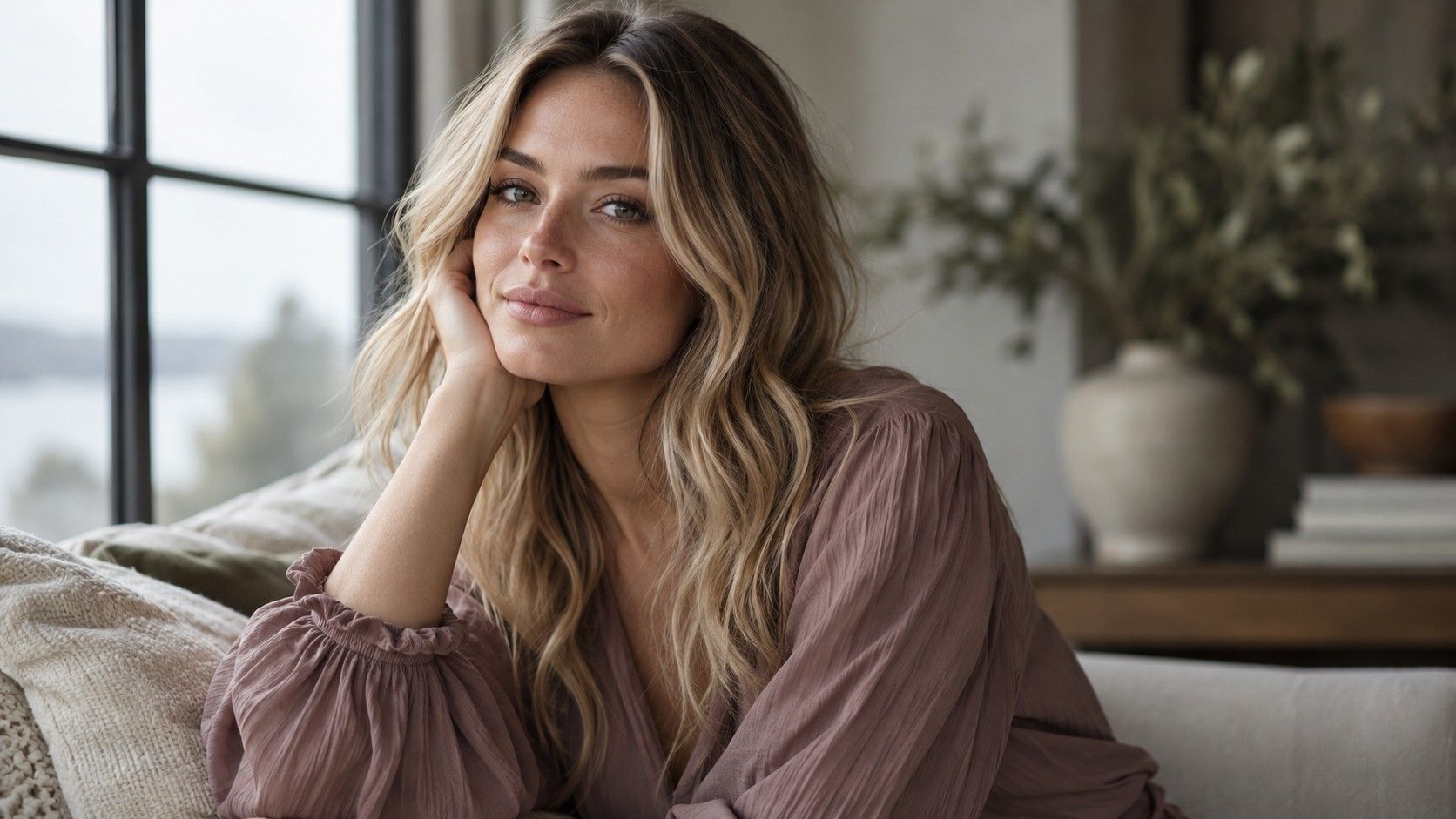
Soft Summer blonde hair colors often look quieter and less golden in reference photos, but lightness is a separate choice. I would first decide how much depth to keep around the face, then compare softer blonde tones against the starting hair and the upkeep they may require.
Decide what you want the blonde to change
Soft Summer is a styling convention generally associated with a muted, cool-leaning palette. It can provide a language for comparing colors, but it cannot establish your ideal hair shade or tell you what your hair can tolerate. Treat the label as a starting preference. If a palette recommendation clashes with what you like beside your face, you are allowed to choose differently.
Before collecting soft summer blonde hair colors, identify the change you actually want. Perhaps your current blonde looks too yellow, the highlights feel stripy, or a very pale shade has reduced the contrast you enjoyed around your eyes. Each asks a different question about tone, placement or overall lightness.
I would keep one recent photograph of your current hair beside every reference. Check the roots, eyebrows and the amount of lighter hair directly around the face. A muted blonde spread across every strand has a different effect from a few soft pieces through a darker base. The useful question is how much lightness you want to see, and where you want it, before settling on a name.
Find the depth you already have at the roots
Look at the natural regrowth in indirect daylight, away from the brightest window reflection. A crown that appears pale in direct sun may have much deeper roots underneath. If you have colored your hair for years, describe that uncertainty honestly. A colorist can assess the starting point more usefully in person than you can by matching a tiny phone image to a numbered chart.
Keep track of previous dye and lightening through the lengths. A darker band, pale ends and natural roots create several starting points within one head of hair. A reference photo does not explain how to bring them together. Tell the salon about the history you know, including home color, rather than assuming that a cool-looking final shade can simply cover everything evenly.
The distance between natural root color and the blonde you want matters for your routine as well as the first appointment. If you prefer a gentle change, ask whether keeping more depth near the scalp would preserve the effect you like. If a bright face frame is the main attraction, discuss that placement specifically. There is no need to lighten the whole head just because a reference carries the blonde label.
Compare a darker blonde with a paler version
Use two references with similar texture and a comparable haircut when possible. One might have a muted darker blonde base; the other a paler, lower-contrast finish. Judge them near your face using a consistent photo or suitable physical references during consultation. Ignore how attractive the model or lighting is. Those details can quietly decide the comparison before you have looked at the hair.
At the hairline, ask whether you still see the balance you want between hair, brows and eyes. A very light perimeter can soften the boundary around the face; a darker blonde can leave more definition. Neither result proves or disproves a Soft Summer classification. What matters is whether the effect looks intentional to you in an ordinary portrait, without relying on unusually strong makeup.
A grayscale copy can help you notice differences in apparent lightness, but it removes the warmth or coolness you also need to judge. Use it as an extra view, then return to the original color photograph. If the two blonde options look almost identical in depth, stop treating lightness as the main decision and compare their warmth, dimension and placement instead.
Ask for muted color without asking for dull hair
Muted does not have to mean a solid gray cast. In practical styling language it often describes a quieter impression, with less obvious golden, coppery or very bright contrast. Bring an example of the softness you mean. Words such as beige, ash and mushroom are used loosely, so a salon conversation needs an image and a description alongside the label.
Compare a balanced beige-looking blonde with a more visibly ashy version under the same light. Ask whether you prefer the gentle warmth remaining in the first, or the cooler impression of the second. Do not choose extra ash solely to comply with a palette chart. A shade can look too flat for your preference even when its name appears on every seasonal list.
Keep dimension in the discussion. A mixture of restrained lighter pieces and a deeper base can produce a soft impression without a uniform pale result. Conversely, strongly separated highlights may create more contrast than you wanted, even if each individual strand is cool. Point to the spacing and width of the lighter areas in your reference. That is often more useful than repeating the word soft.
Check the reference in daylight and ordinary indoor light
Take your comparison photo near a window with indirect light facing you. Avoid warm lamps, direct sun and a bright window behind the head. Use the same image for different virtual previews and keep screen brightness steady. If the original photo has orange skin or blown-out highlights, the preview inherits a poor starting point. Retake it before making a subtle shade judgment.
After narrowing the choice, look at a second ordinary setting. A blonde that reads beige at a window may appear warmer under a lamp, while a cool overlay may look gray on a dim screen. This variation is expected evidence about the viewing conditions, not a demand to find a color that looks identical everywhere. Compare candidates fairly within each condition.
If you use a virtual preview, inspect its hair mask along the ears and parting. A pale rim painted onto the forehead can make the face appear washed out for a reason unrelated to real hair color. The software also cannot show whether existing dye will lift evenly. Save the preview as a direction, with the untouched photo beside it, rather than as a promise of what the appointment will produce.
Choose the version you can maintain
The lightest option may require a different route from a modest shift through your present blonde. Ask the colorist how your starting hair affects the plan, whether preliminary checks are appropriate and which parts of the reference remain uncertain. Avoid assuming a single visit or a particular formula. Neither a seasonal palette nor an edited photograph supplies that information.
Discuss regrowth as part of the finished look. A deeper root area, a softer transition or fewer bright pieces near the parting may suit someone who dislikes a clear line as hair grows. These choices need to work with your actual base and preferred finish. Ask what the color would look like between visits, rather than evaluating only the photograph taken immediately after styling.
Home care and appointments should also fit your habits. Tell the salon how often you are willing to return and what you realistically do at home. Do not add a strong toning product just because a blonde is described as cool; ask whether it is appropriate for your particular result and how to use it. More pigment is not automatically a better expression of a muted palette.
Take a clear request to the consultation
Bring two references, your original portrait and a short description of the part you want to keep. For example: a darker blonde with a quiet beige impression, softer brightness around the face and enough depth to connect with the brows. Add what you want to avoid, such as a very pale perimeter or strong bands of highlights. Concrete boundaries make the images easier to interpret.
Ask the stylist to separate the visual goal from the work required to reach it. Can a similar impression be created while retaining some natural depth? Would the existing pale ends need a different approach from the roots? How would the proposed color fade or grow out? These questions help turn an attractive reference into a plan you can actually assess.
The best Soft Summer blonde for you may be less light than the first image you saved. It may also be paler, if that is the effect you enjoy and the practical route makes sense. Keep the palette label in the background once the conversation becomes specific. A clear preference, realistic hair history and an acceptable maintenance plan are firmer ground for a decision.